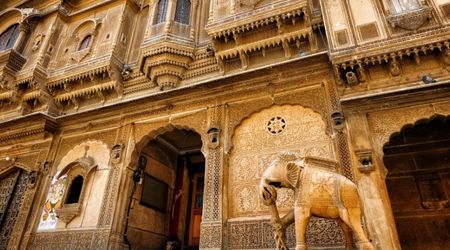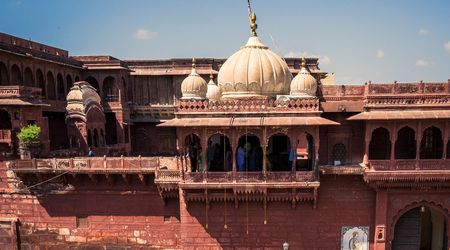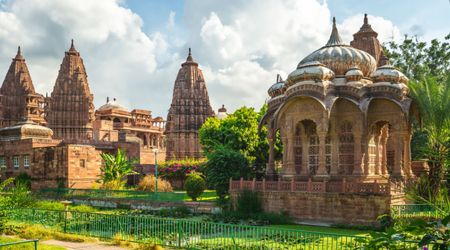


Phool Mahal, also known as the Flower Palace, is situated within Mehrangarh Fort in Jodhpur, Rajasthan. Known for its rich decoration and historical importance, it stands out as one of the most luxurious halls in the fort.
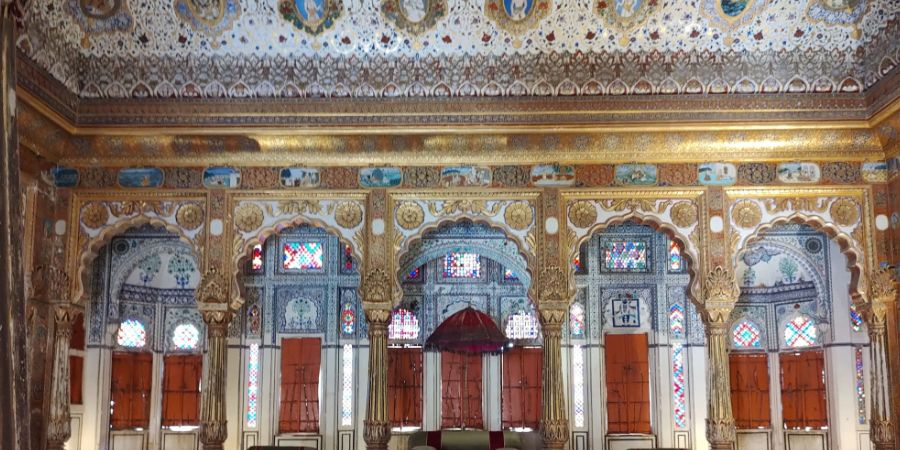
The room is famous for its gold-covered ceiling, which was made using gold brought from Ahmedabad as a war prize. It served as a private chamber for the kings of Jodhpur, used mainly for entertainment and gatherings.
The Blooming Heart of Mehrangarh Fort
The construction of Phool Mahal dates back to the 18th century, during the reign of Maharaja Abhaya Singh, who ruled from 1724 to 1749. After defeating the Mughal governor Sarbuland Khan in Ahmedabad, the Maharaja returned with a large amount of gold. This gold was used to create what would become the most lavish part of the Mehrangarh Fort.
Originally designed as a private space for relaxation and royal events, Phool Mahal hosted music, dance, and meetings with close associates. This hall was not accessible to the general public and was thoughtfully created to showcase exclusivity and refined cultural elegance.
Later rulers continued to maintain and add to the room, introducing new artistic details and furniture while preserving its original grandeur. As time passed, Phool Mahal came to represent the changing artistic style and cultural preferences of the Jodhpur royal family.
Design and Architecture: A Room That Glows Like a Flower
Phool Mahal combines elements of Mughal and Rajput architecture. It was designed to reflect wealth, privacy, and refined taste.
Key features include:
- Gold Ceiling: The most prominent feature is its ceiling, covered in gold leafwork. The gold was applied by expert craftsmen and still shines in natural light. In Indian tradition, gold is often connected with energy, prosperity, and divinity.
- Frescoes and Paintings: The walls and ceiling feature paintings from the Raga Mala series, which include themes from Hindu mythology, classical music, and royal life.
- Mirror Work: Small mirrors are embedded throughout the room, reflecting light and enhancing the room’s appearance.
- Lattice Screens (Jali): The finely carved stone screens provide ventilation while keeping the room private. These designs allow air and light to pass through, keeping the space cool in the desert climate.
Highlights of Phool Mahal
Phool Mahal is known for its detailed artwork, royal charm, and thoughtful design. Here are some of its key features that continue to impress visitors.
- Sandalwood Seat: At the centre of the room is a royal seat made from sandalwood and decorated with ivory, gems, and gold. In earlier times, this space was used by the Maharaja to receive and host esteemed guests.
- Colonial-Era Furniture: Some pieces of furniture from the British period have been added over time.
- Private Royal Use: Phool Mahal was not open to everyone. It was a private area meant only for the king and his closest guests. This adds a sense of exclusiveness to the hall.
- Tiny Artwork: If you look closely, you’ll see small details in the paintings—birds, flowers, musical instruments—carefully painted by skilled artists.
- Great Sound Quality: The room was built to support music and dance. Its design naturally improves sound, which made it perfect for royal performances.
Best Time to Visit
October to March is the most comfortable time to visit Jodhpur. The weather is cool and pleasant, and the soft light brings out the beauty of Phool Mahal’s gold and mirrors.
The best times of day are morning and late afternoon. During these hours, the sunlight comes through the jali windows and adds a natural glow to the hall.
To avoid crowds, weekdays and non-holiday dates are usually quieter.
- Timings: 9:00 AM to 5:00 PM (open daily)
- Entry Fee: ₹20 for Indian visitors; ₹250 for foreign nationals
How to Reach Phool Mahal
If you’re interested in art, passionate about history, or fascinated by royal heritage, exploring Phool Mahal is a memorable experience. Here’s how you can reach it:
By Air
The nearest airport is Jodhpur Airport (JDH), located at Civil Enclave, around 8 km from Phool Mahal. Depending on the flow of traffic, the trip usually takes around 20 minutes.
The airport offers good flight connectivity to major Indian cities like Delhi, Mumbai, Jaipur, Ahmedabad, and Udaipur through regular domestic flights. From the airport, you can hire a prepaid taxi or use app-based cab services.
To reach the fort, exit the airport and take Civil Airport Road. Keep going straight onto Ratanada Road, and then follow the signs directing you toward Mehrangarh Fort from most main roads.
By Train
Jodhpur Junction Railway Station (JU) is about 6 km from Phool Mahal, and the travel time ranges from 15 to 20 minutes. As one of Rajasthan’s busiest railway stations, it is well-connected with major cities through express and superfast trains like the Mandor Express (from Delhi), Suryanagari Express (from Mumbai), Intercity Express (from Jaipur), and many others from Ahmedabad, Udaipur, and beyond.
Once you arrive at the station, you’ll see auto-rickshaws available just outside, ready to take you to your next stop. For a more traditional experience, you could try a cycle rickshaw, especially through the old city streets, but do make sure to negotiate the fare before the ride.
By Road
Jodhpur’s main bus stand is located about 4 to 5 km from Mehrangarh Fort. The city is well-served by buses operated by the Rajasthan State Road Transport Corporation (RSRTC) and several private operators. There are frequent bus services between Jodhpur and nearby cities like Jaipur, Udaipur, Jaisalmer, Ajmer, and Bikaner.
From the bus terminal, auto-rickshaws and taxis are available for direct travel to the fort. City buses also operate in the direction of the fort; you can get off at the nearest stop and walk the rest of the way.
Tips for the Best Travel
- Guided Tours: Professional guides are available at the fort entrance (₹500–₹1,000).
- Nearby Attractions: Jaswant Thada, Rao Jodha Desert Rock Park, and Sardar Market are all within a short drive or walk from the fort.
Phool Mahal continues to inspire artists, designers, and cultural enthusiasts. Its patterns, colours, and fusion of styles are frequently referenced in contemporary art and design projects. The Mehrangarh Museum Trust has undertaken extensive restoration to preserve the gilded ceiling, frescoes, and structural elements. These modern conservation techniques, including climate control and protective barriers, help protect the delicate artwork while allowing visitors to experience the hall’s original splendour.